Unbehagen Pflegen
Social engagement and anti-discriminatory methodologies in Art and Design / Wintersemester Seminar at the Muthesius University of Art and Design, Kiel, Germany.
Using discourse generated by events such as documentafifteen and the 12th Berlin Biennale for Contemporary Art, we may look at our own lived experiences as learning and unlearning communicators and ask, “How can we use verbal, visual and other languages to represent and reframe ideas, tropes and power structures?”
Accompanying our bi-weekly reading sessions are lectures, workshops and a walking tour with Kiel Postkolonial, hosted by the Diversity Commission’s ‘Picture This!’ event series.
A cooperation between the Diversity Commission and the Fine Art Department of the Muthesius University of Fine Art and Design. The language of instruction is German. Led by Felisha Carénage + Marina Röh.


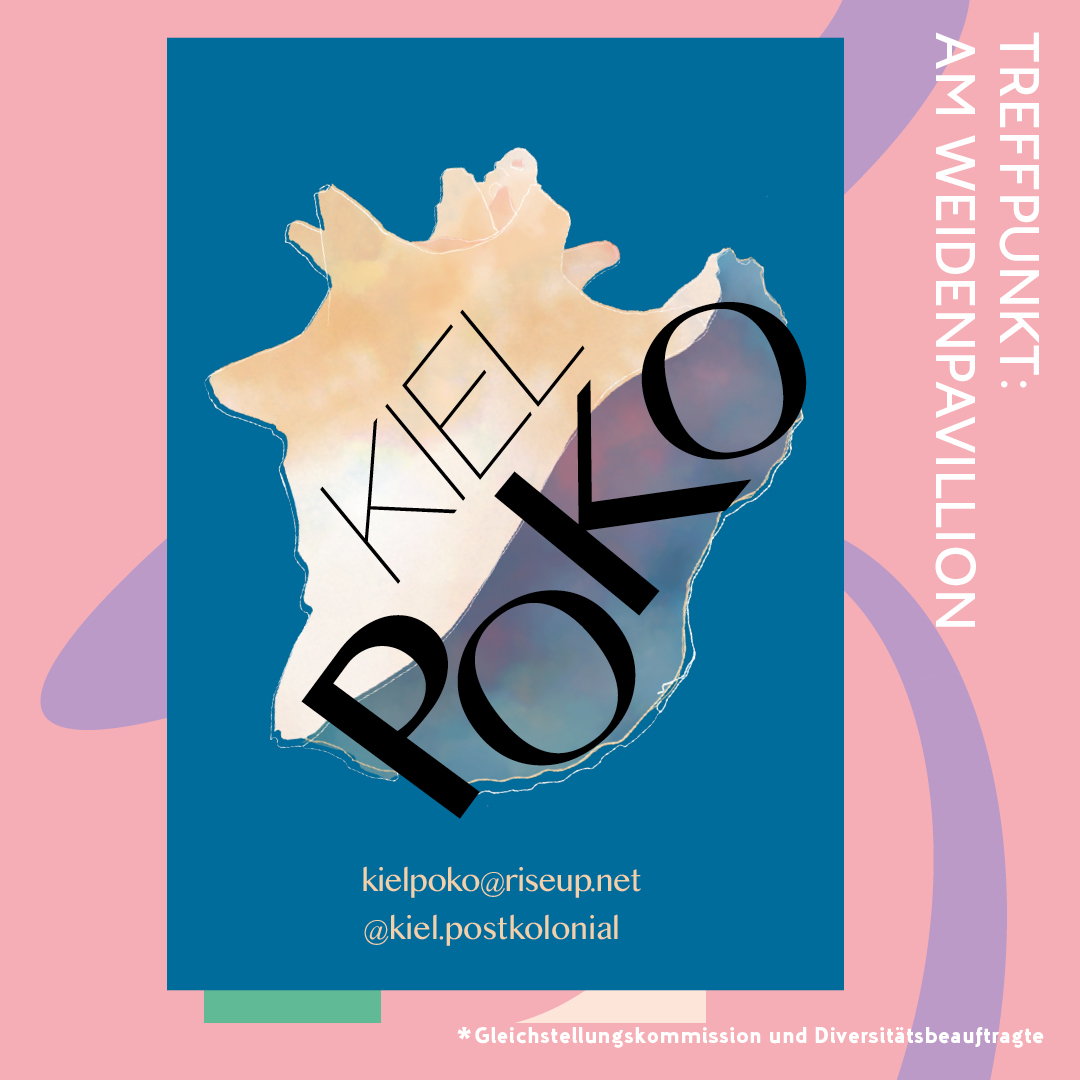
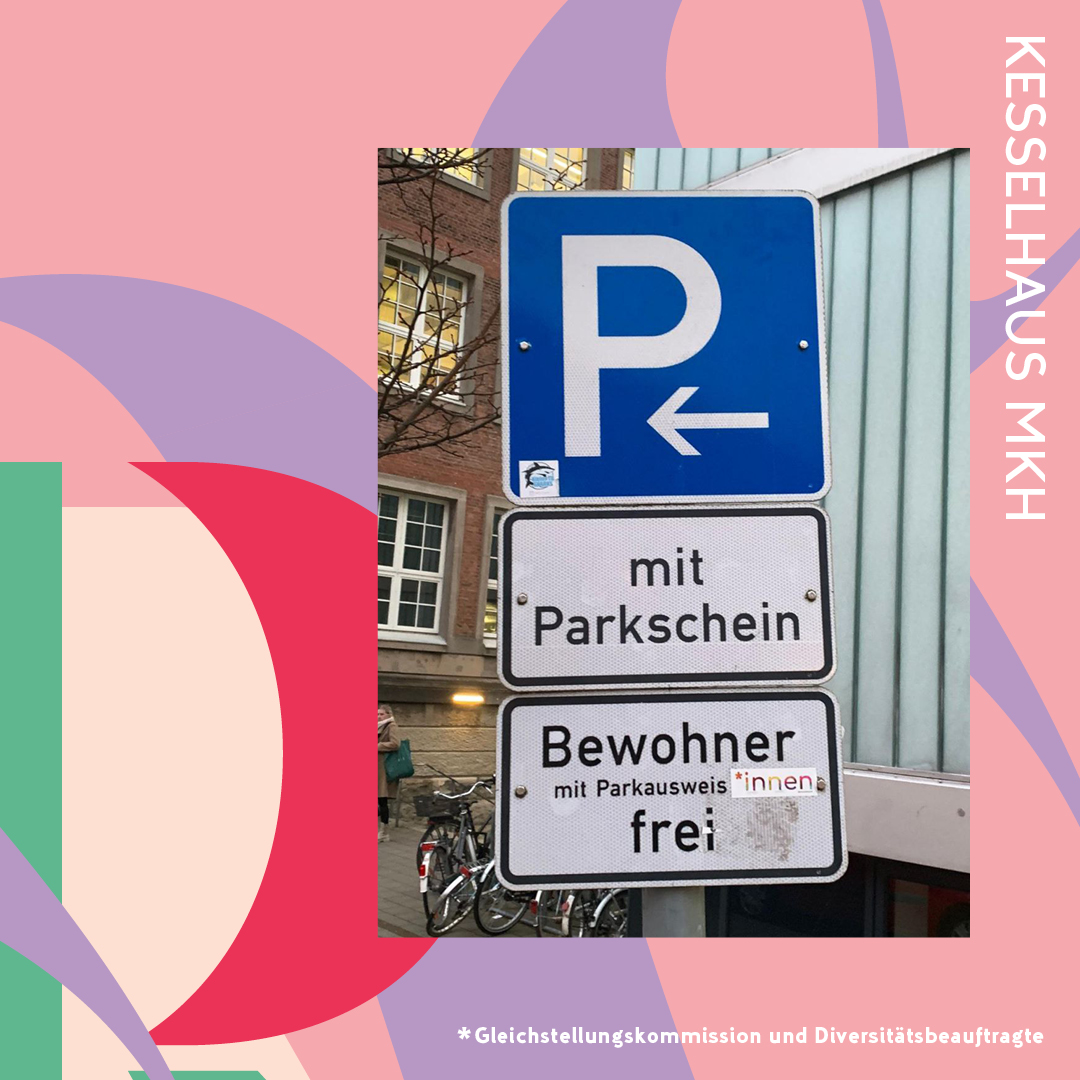

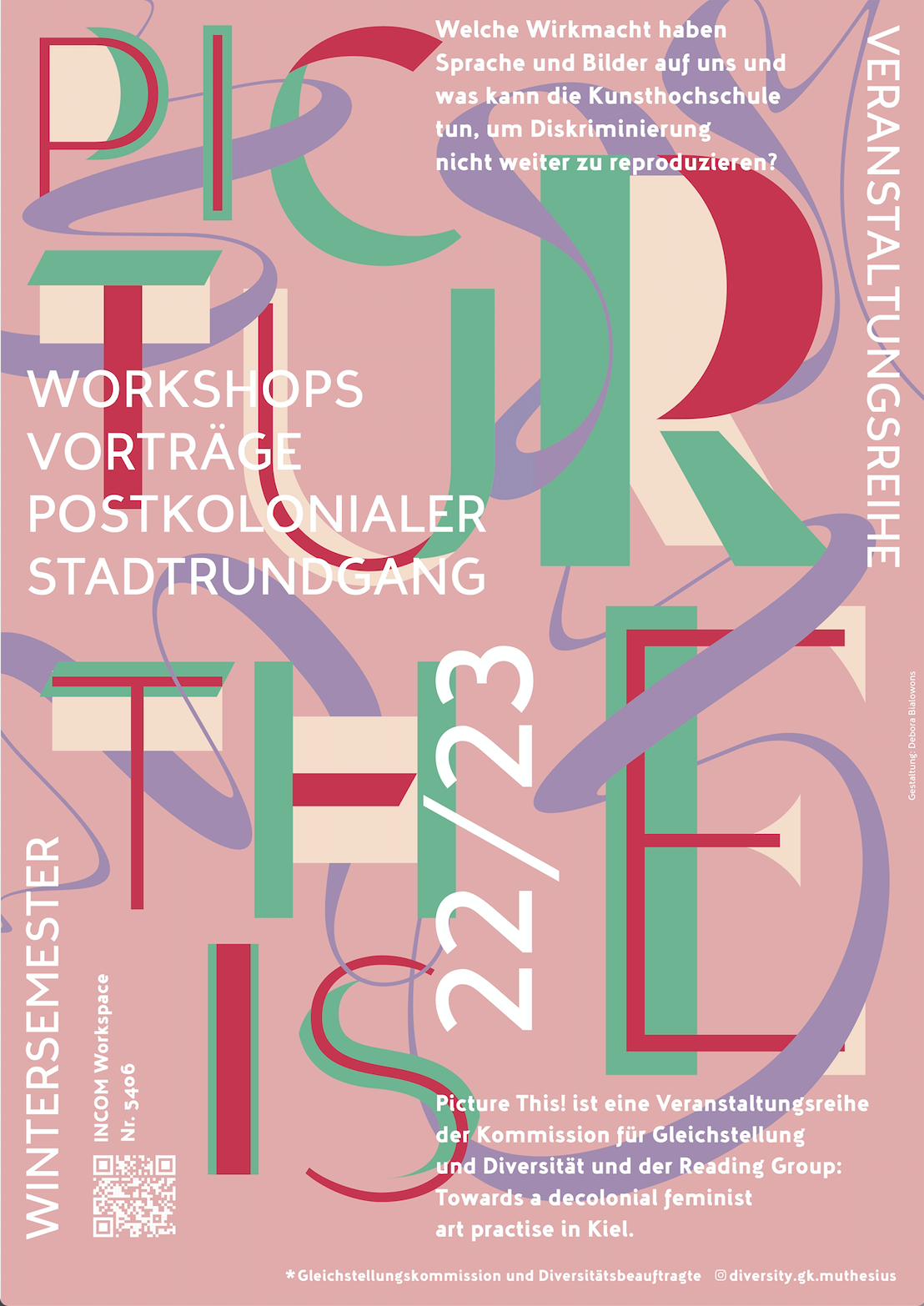
Poster and Instagram Identity for Picture This! which hosted Guest Lectures and Workshops at the Muthesius University, within the frame of the Reading Group. Graphic Design by Debora Bialowons.
Lecture 19.12.2022
Unter den Nägeln brennt es – An aesthetic and sociological study of nail design and nail art with Fernanda Braun Santos
Workshop 23.01.2023
Complainers and Killjoys, with HOER NY: Coven Berlin and Cem A. of Freeze Magazine.
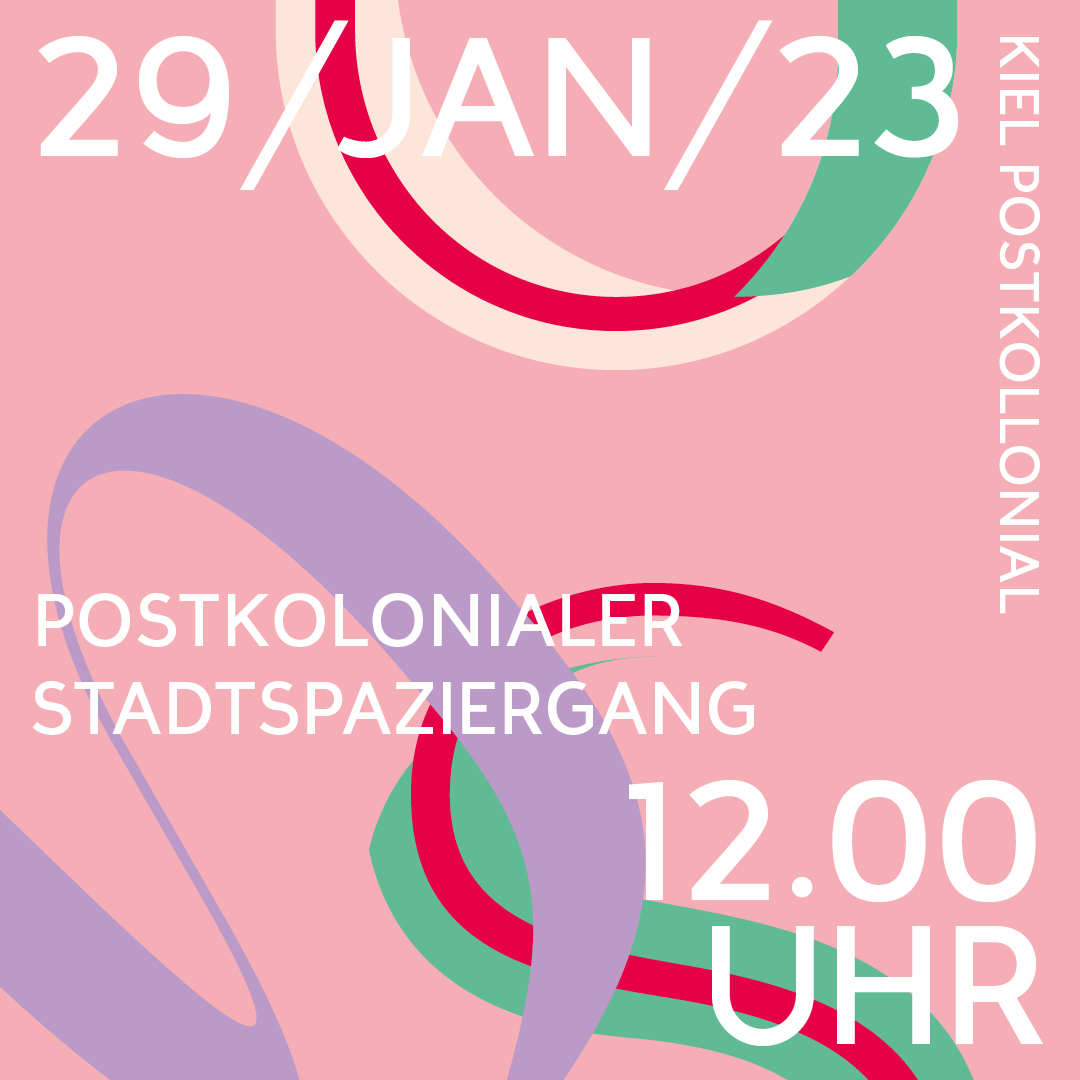
Walking Tour 29.01.2023
Postcolonial City, with Laura of Kiel Postkolonial
Public Talk 24.11.2022
with Övül Ö. Durmusoglu and Joanna Warsza
Public Talk 30.11.2022
with Natasha Ginwala
Lecture 12.12.2022
Diversity-conscious speaking – arguments and examples of application for (university) practice with Dipl.-Päd Esther van Lück
In the Summer Semester 2023, a Glossary of Terms with the title Unbehagen Pflegen, resulting from work done in this seminar, will be published.
Participants in this seminar are also encouraged to contribute to the University Student Association’s first edition of its as-yet-unnamed publication, on the topic of ‘Change’.
Part of ‘Unbehagen Pflegen’, a year-long project on cultivating discomfort in the german art academic tradition, conceived by Felisha Maria Carénage, consisting of an excursion to the 2022 Venice Art Biennale, a feminist, decolonial Reading Group, a collective writing workshop and a publication in the form of an illustrated glossary.
Anti-Racist Curation at the Milk of Dreams? / Seminar at the Muthesius University of Art and Design, Kiel, Germany & Excursion to the 2022 Venice Art Biennale.
"For curating to be anti-racist, however, it first needs to consider both subjectivity and process of subjectivation, and needs to ensure multiperspectivity. It is crucial to explore and question all narratives and exhibits of an exhibition along different line of inquiry. Whose history is being told? Whose perspective is been privileged? What kind of images are presented? Who reads these images and how? How have the exhibits been generated? How are the texts created? Do the narratives and images empower groups that have hitherto been either underrepresented or represented in a way that objectifies them? While these are essentially the very same questions that have -for a long time already- been guiding the discussions about 'history from below' as well as feminist and postcolonial historiography, it seems that they keep being actively forgotten." — Curating as Anti-racist Practice, 2019, Natalie Bayer, Belinda Kazeem-Kaminski, Nora Sternfeld
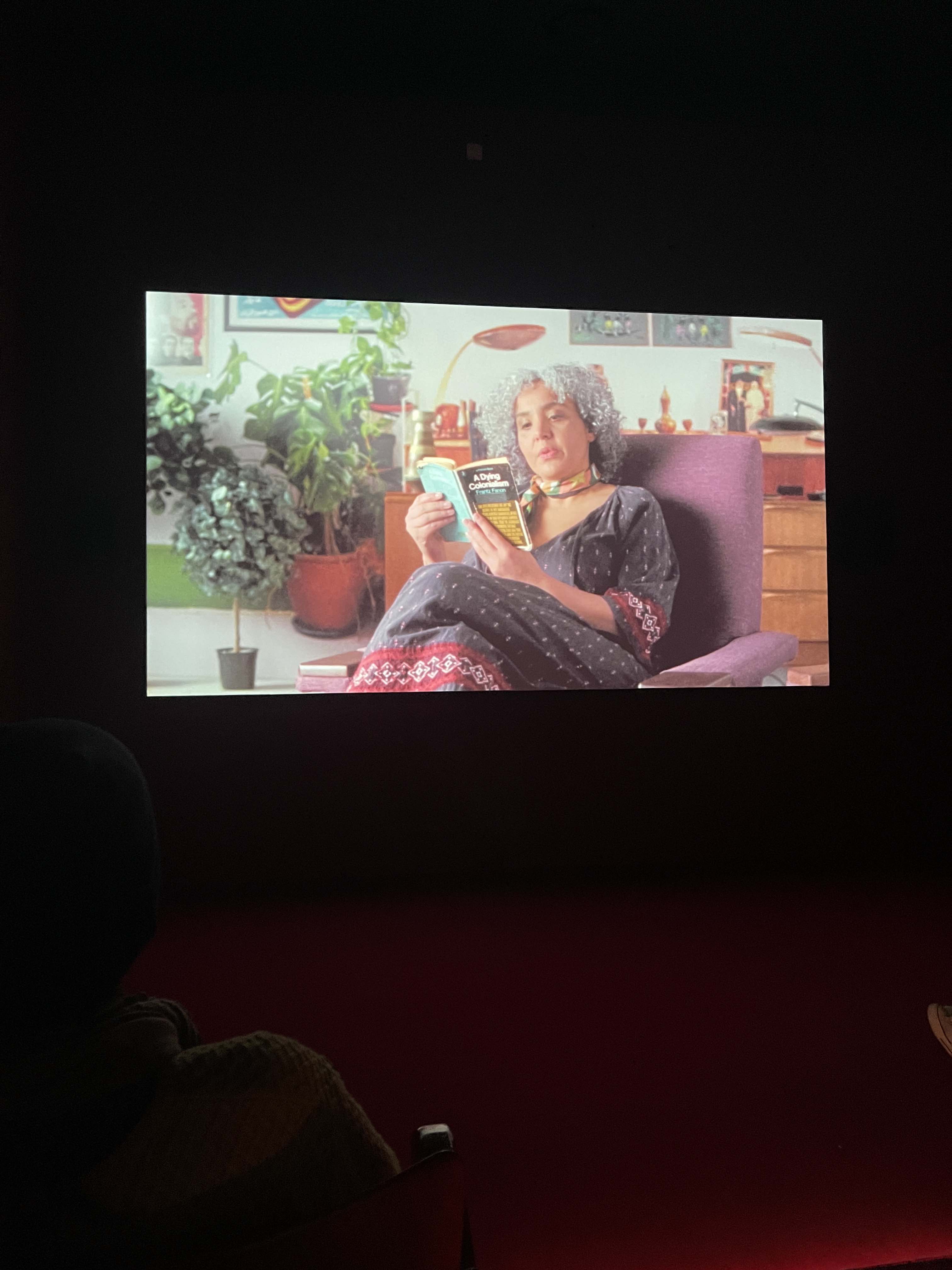
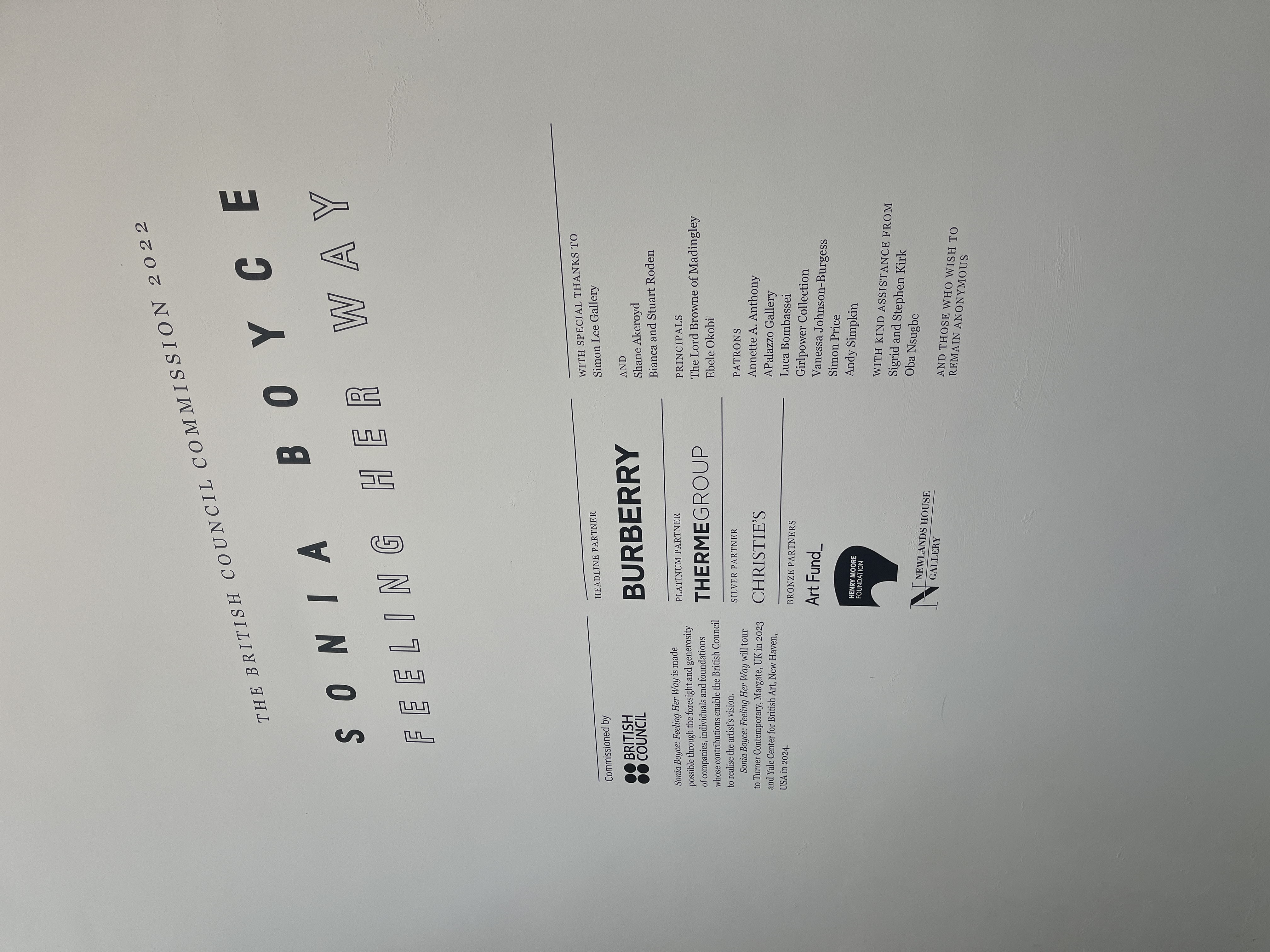

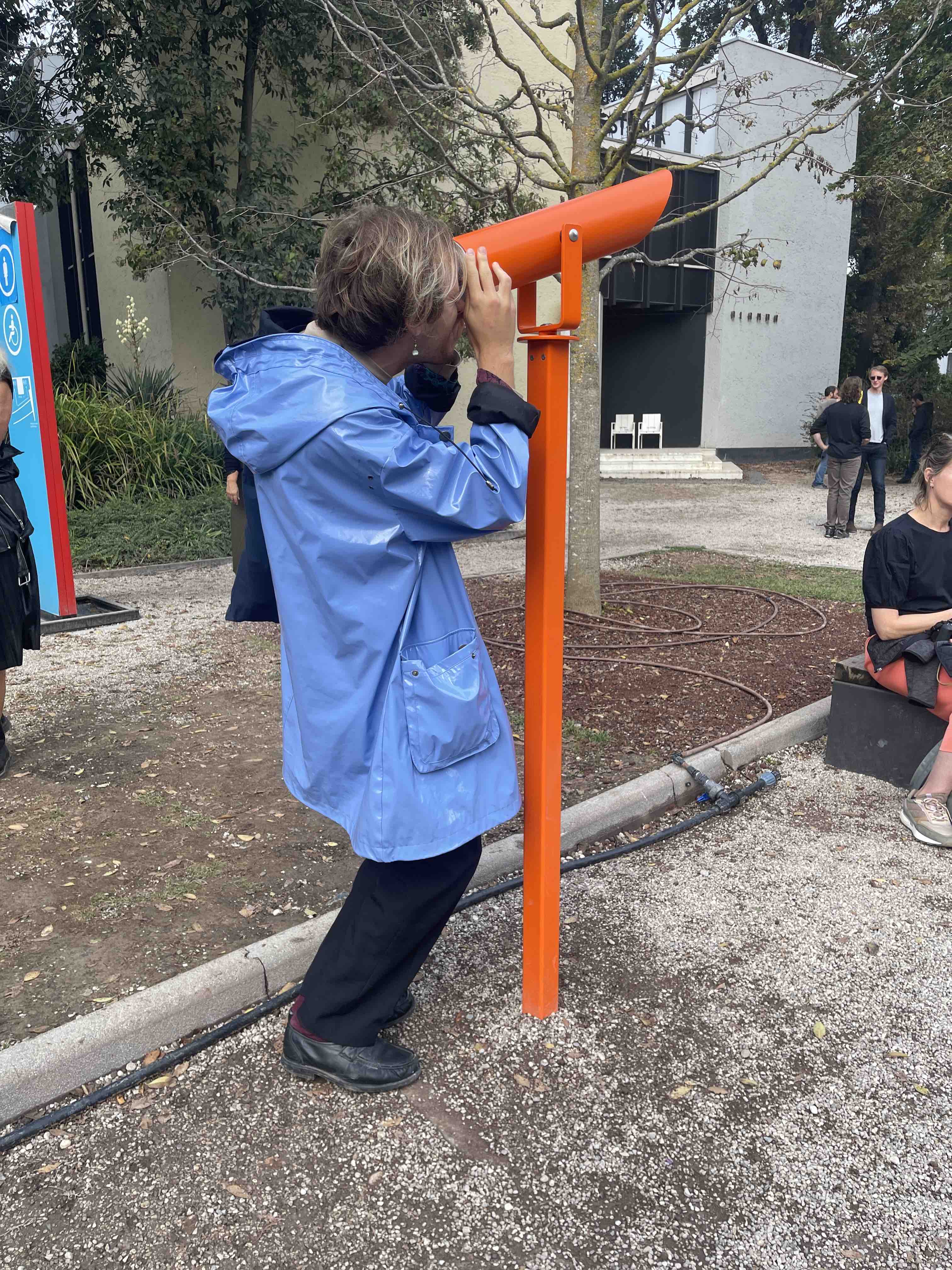
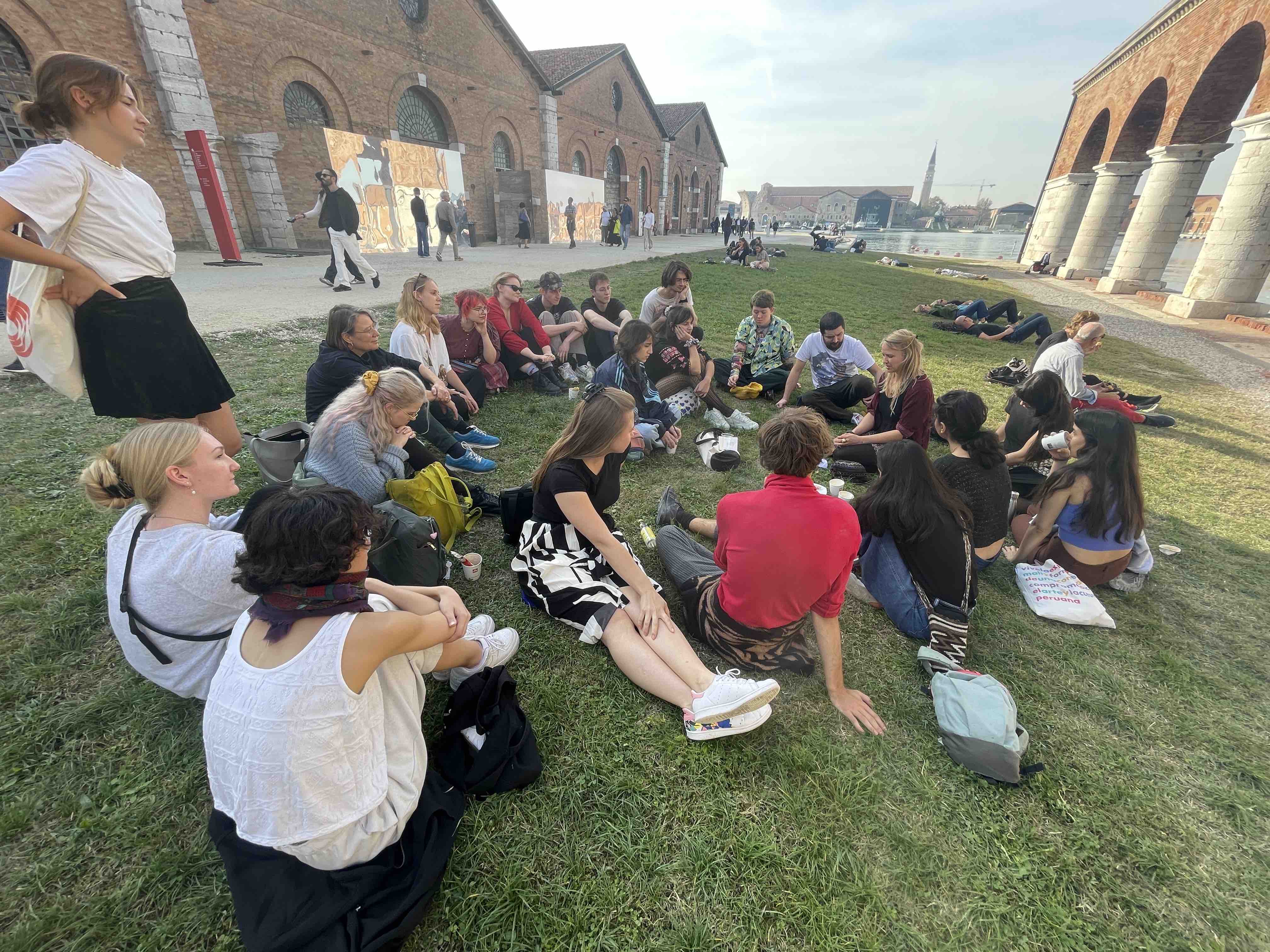
Students of the Muthesius' Painting class joined Felisha Bahadur-Carénage in Venice for 8 days, during which they visited the various Pavillions and Extended Programme of the 59th International Venice Biennale, curated by Cecilia Alemani, entitled The Milk of Dreams.
Bahadur-Carénage provided research materials and types of critical methodologies and, together with student assistants, structured the week's activities – visiting Arsenale, Giardini, as well as other events including a talk on Marlene Dumas & Marguerite Duras by Elisabeth Lebovici. Below are examples of materials provided and impulses to critique contexts and experiences - accounting for passport privilege, classism and racism in looking at artist trajectories and sponsors' motivations.
Austria
Jakob Lena Knebl and Ashley Hans Scheirl
Invitation of the Soft Machine and Her Angry Body Parts
Exhibition website + Instagram + e-flux + mousse
→ Can we think of the usefulness of Heterotopias?
→ Are there any other such constructions in the Biennale?
→ Do these relate to Hauntologies, Spectral rooms? If not, why?
France
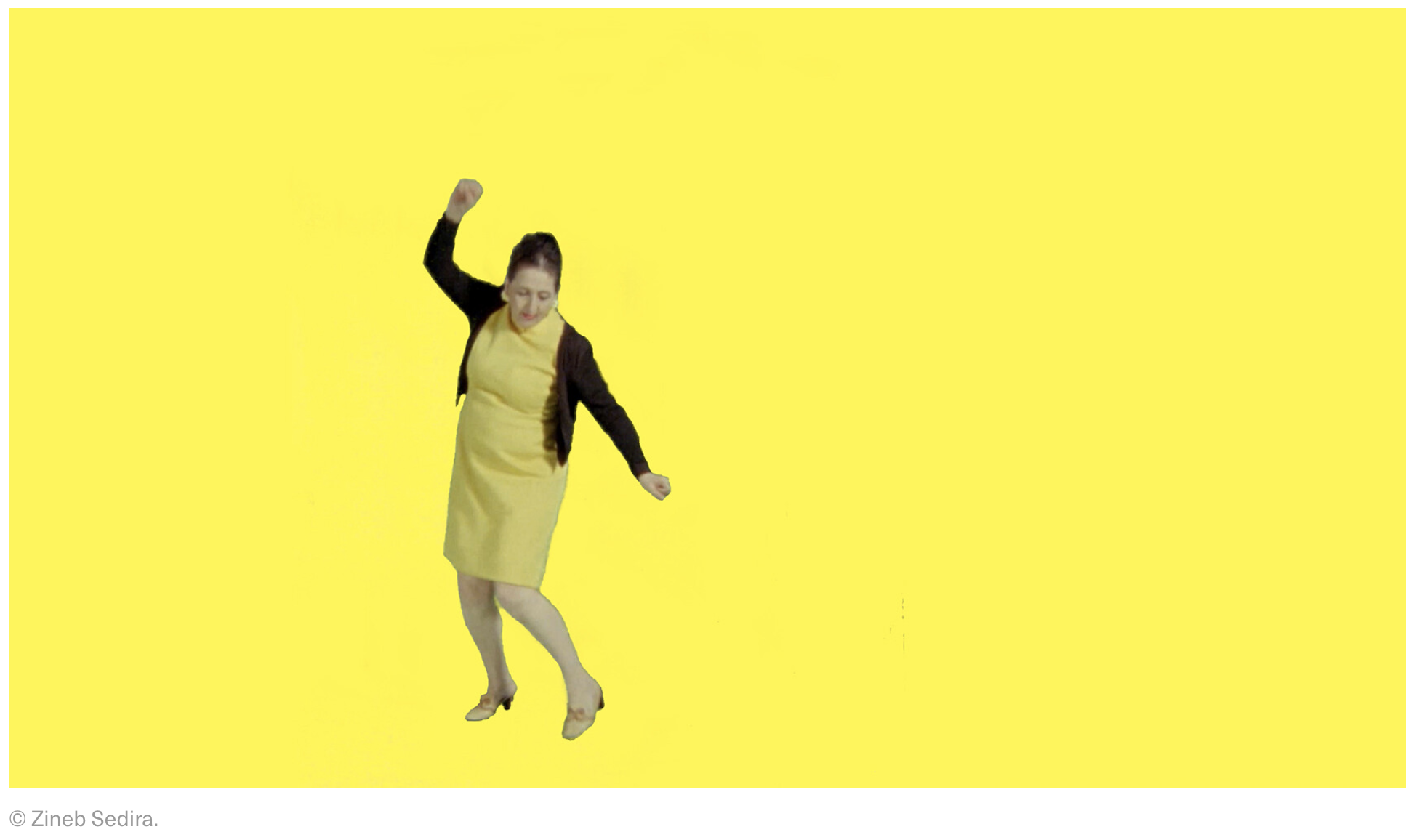
Zineb Sedira
Dreams Have No Titles
e-flux + e-flux Announcements + Website
Activity Sheet from Bexhill on Sea
(engagement with school children)
Poland
Małgorzata Mirga-Tas
Re-enchanting the World
on the book by Silvia Federici
e-flux + Exhibition catalog
Scotland + Venice
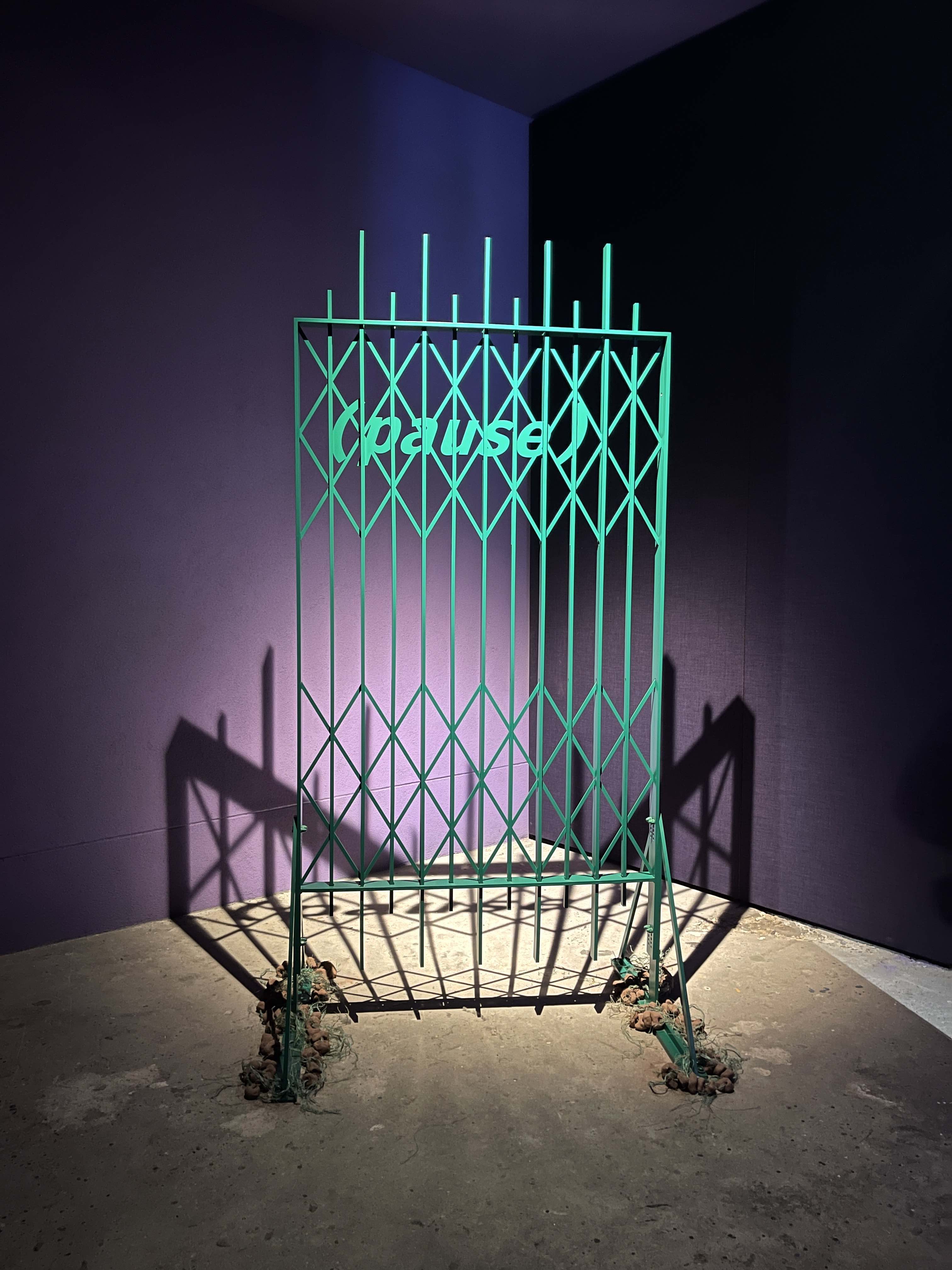
Alberta Whittle
deep dive (pause) uncoiling memory
Docks Cantieri Cucchini, S. Pietro di Castello, 40, 30122
e-flux + Website + Instagram
Alberta Whittle's READING LIST
Uganda
Acaye Kerunen, Collin Sekajugo
Radiance: They dream In Time
Palazzo Palumbo Fossati, San Marco 2597
Biennale website + Website + Instagram
See also: “Football Kommando” (2022) Film at documentafifteen
monopol
United States
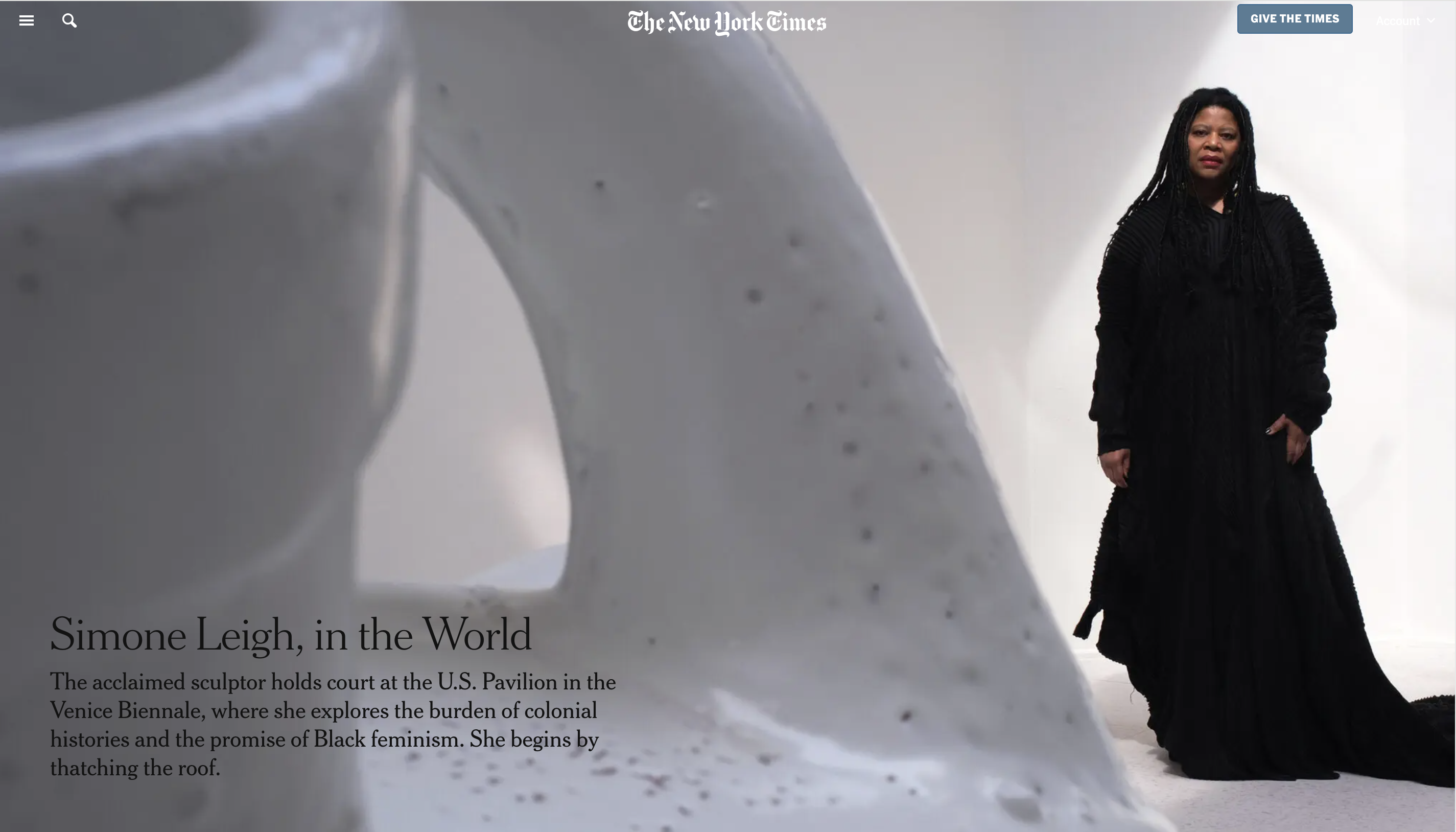
Simone Leigh
Sovereignty
e-flux + The New Yorker
The New York Times – Siddhartha Mitter
“Simone is certainly aware of all the other audiences out there, trust me,” O’Grady said. “But we’re talking about something very deep, which is the audience with whom you have interior conversations as you work, in order to shed light on issues that have received no light for centuries.”
→ How does this pavillion compare to Louise Neverson in terms of recognition, legacy, form?
A Glossary for Art, Design and Social Engagement / Summersemester Seminar at the Muthesius University of Art and Design, Kiel, Germany.
Caring for Discomfort
Unbehagen Pflegen: A Glossary for Art, Design and Social Engagement, produced in a Collective Writing Workshop. It is meant to care for the emergent practises of the students of the Muthesius University of Art and Design, in Kiel, emerging from the Reading Group co-led with Marina Röh last semester.
In the Reading Group seminar, Students adopted decolonial, feminist and queer research methodologies.
Unbehagen Pflegen doesn’t exclude terms that can seem critical of our own institution – it is important to name and map issues so that we can try to change things.
In addition to terms like Able-ism, abuse of power, etc, Unbehagen Pflegen includes terms specific to the non-european academic experience in Germany. This inclusion is meant to highlight the structural discrimination inherent to the German Art Institution, the Kunsthochschule.